
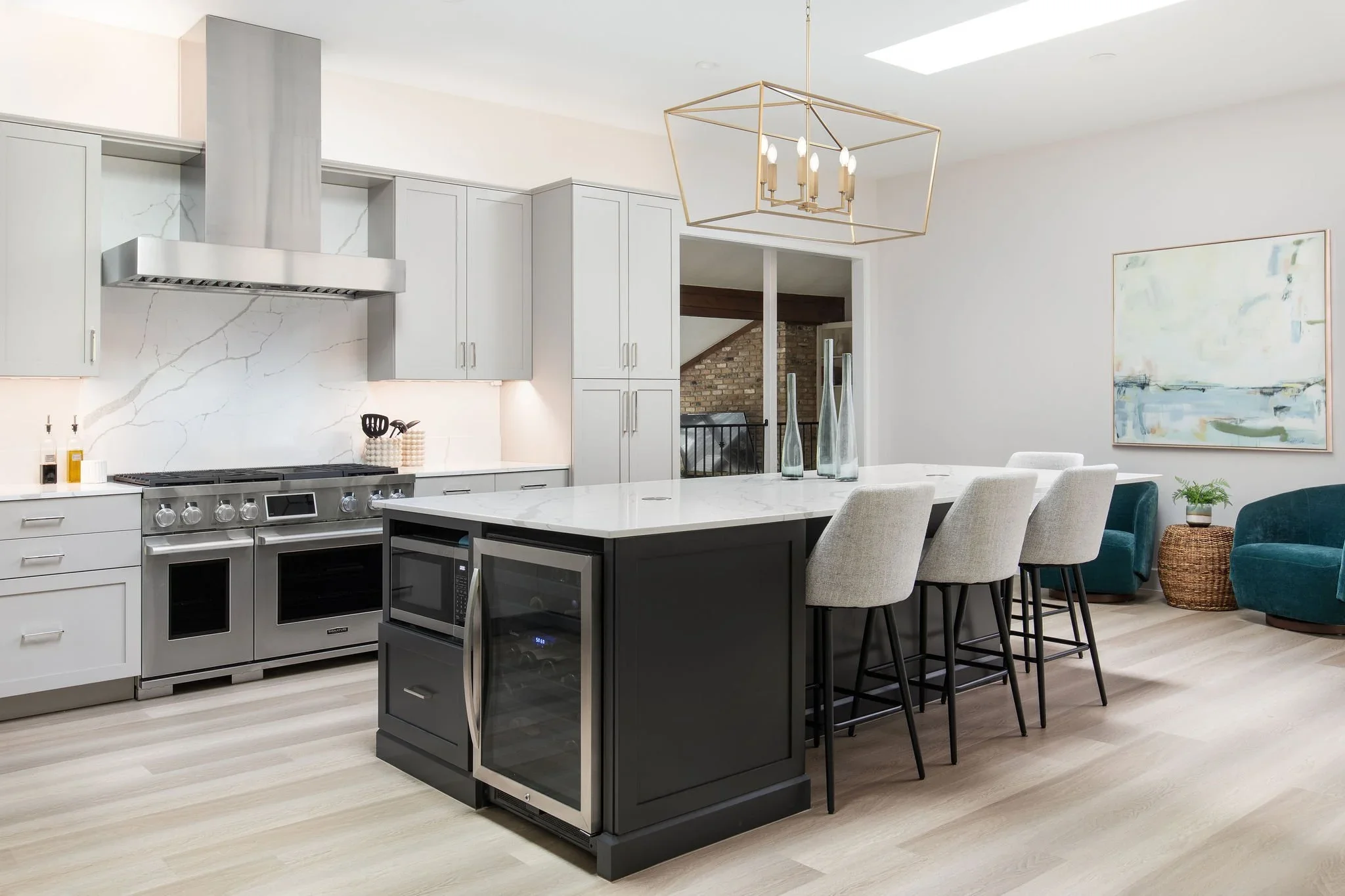
Designing a luxury kitchen is one of the most significant aspects of creating a refined home. A well-planned kitchen blends aesthetics, functionality, and lifestyle needs. However, even in upscale homes, design mistakes can lead to inefficient layouts, unnecessary expenses, and spaces that fail to meet daily requirements. Understanding common pitfalls in high-end kitchen interior design can help homeowners create a space that truly enhances their overall home design.
In cities like Austin, where architecture and interior styles range from contemporary to transitional, careful planning is essential. Experienced professionals such as Twelve Stones Designs understand how thoughtful planning, smart material choices, and functional layouts contribute to refined living spaces.
This guide explores common kitchen interior design mistakes and provides practical insights to help homeowners achieve a balanced and sophisticated kitchen environment.
Why Thoughtful Kitchen Planning Matters in Luxury Homes
The kitchen is often considered the central hub of a home. In luxury residences, it is not only a cooking area but also a place for entertaining, gathering, and everyday living. Because of this multifunctional role, mistakes in kitchen planning can impact the entire home design.
Luxury kitchens require attention to detail in layout, materials, lighting, storage, and integration with surrounding spaces. Without proper planning, even expensive finishes and appliances may fail to create a cohesive luxury home interior design.
Relying on Outdated Layout Concepts
One of the most common planning mistakes in high-end kitchen interior design is approaching the layout with rigid, outdated formulas. The kitchen work triangle — which connects the sink, stove, and refrigerator — was developed for single-cook kitchens in a previous era. Today's home design thinking has moved well beyond this concept.
Modern kitchens serve multiple people and multiple purposes simultaneously. A more effective approach is zone-based kitchen planning, which organizes the space around dedicated stations:
A prep zone with generous counter space and accessible storage
A cooking zone with appropriate ventilation and appliance clearance
A cleanup zone with a well-positioned sink and dishwasher
A beverage or coffee bar separate from the main prep area
A social zone where guests can gather without disrupting the cook
This approach supports the way Austin households actually use their kitchens — with multiple people involved, cooking and entertaining happening at the same time. A well-designed zone layout is far more effective than any geometric formula for creating a kitchen that feels effortless to use.
Oversized Islands Without Clear Purpose
Large kitchen islands are popular in modern house design, but size alone does not guarantee functionality. An oversized island can disrupt circulation and limit accessibility if it lacks a clear purpose — whether that is seating, prep space, integrated storage, or a secondary sink.
In high-end kitchen interior design, island planning should be driven by how the homeowner uses the kitchen. The island should complement the overall layout rather than dominate it. At a minimum, 42 inches of aisle clearance is required on all working sides. For kitchens designed for entertaining or multiple cooks, 48 to 54 inches is significantly better.
Choosing Style Over Functionality
Luxury kitchens can focus heavily on appearance at the expense of practicality. While aesthetics are important, functionality should always remain a priority in home design.
Decorative Elements That Limit Usability
Highly decorative cabinetry, elaborate hardware, or fragile surfaces may look impressive but can be impractical for everyday use. Glossy finishes show fingerprints easily, and ornate cabinet designs can reduce storage efficiency. Balancing elegance with practicality is essential in sophisticated luxury home interior design.
Ignoring Lifestyle Needs
Every household has different habits and routines. Some families cook frequently, while others use the kitchen primarily for entertaining. The best high-end kitchen interior design is shaped by how the homeowner actually lives — not by what a showroom kitchen looks like. Ignoring lifestyle considerations can result in a kitchen that looks beautiful but does not serve daily needs.
Insufficient Storage Solutions
Storage planning is often overlooked in luxury kitchen projects. Even large kitchens can feel cluttered without thoughtful organization.
Lack of Customized Storage
Standard cabinetry may not meet the needs of a high-end kitchen interior design. Customized storage solutions such as pull-out pantry shelves, deep drawers, and appliance garages can dramatically improve usability. Professional interior designers incorporate tailored storage that supports both aesthetics and function in luxury home interior design.
Not Maximizing Vertical Space
Many kitchens fail to use vertical storage effectively. Tall cabinetry, stacked cabinets, and hidden compartments can maximize available space while maintaining clean visual lines — a key principle of refined house design.
Poor Lighting Design
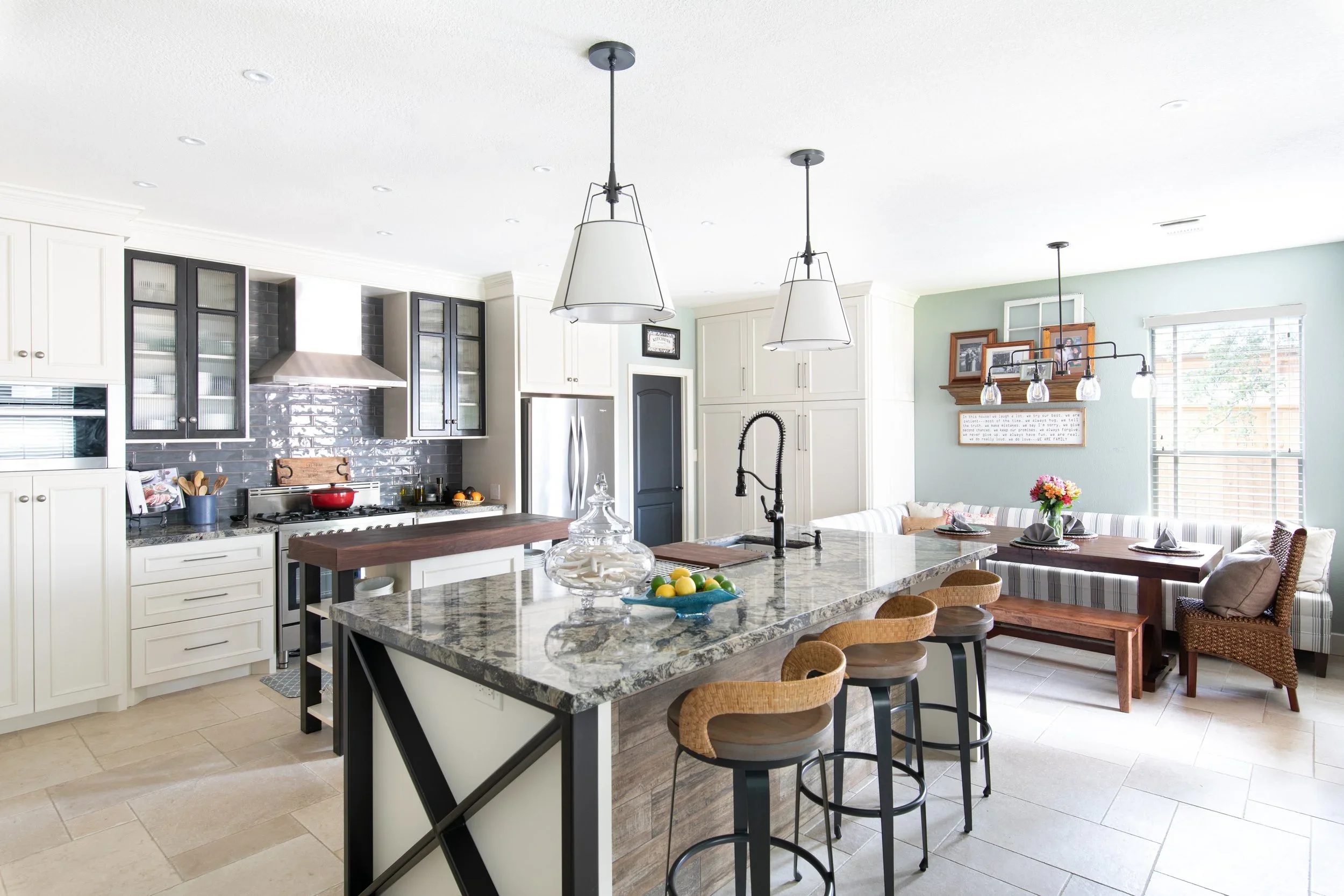
Lighting plays a critical role in kitchen usability and atmosphere. Lighting mistakes are among the most common errors in luxury home design projects, and they are among the most difficult to correct after construction.
Relying Only on Decorative Lighting
Many homeowners focus on statement chandeliers or pendant lights but neglect task lighting. A well-designed kitchen should include three layers of lighting:
Ambient lighting: For overall illumination throughout the space.
Task lighting: Directed light over prep areas, the sink, and cooking surfaces.
Accent lighting: For visual depth and warmth.
This layered approach enhances the overall home design aesthetic while improving daily functionality.
Inadequate Under-Cabinet Lighting
Under-cabinet lighting improves visibility for food preparation and adds warmth to the kitchen. Without it, countertops appear darker and the space loses much of the refinement expected in high-end kitchen interior design. Lighting must be planned before construction — not selected after the kitchen is built.
Overlooking Kitchen Workflow
Even luxury kitchens can feel inefficient if workflow is not carefully considered during planning.
Poor Appliance Placement
Appliances placed without considering workflow create unnecessary movement throughout the kitchen. In thoughtful luxury home design, logical appliance placement is essential to creating seamless kitchen movement.
Blocking Circulation Paths
Islands, seating areas, and cabinetry should not block main walkways. Kitchens that connect to living spaces must allow easy movement between zones — a critical consideration in open-concept house design.
Selecting Materials Without Considering Longevity
Luxury kitchens should remain timeless for many years. Selecting materials based on short-term trends is one of the most expensive mistakes in high-end kitchen interior design.
Prioritizing Trend Over Durability
Highly trendy cabinet colors or unusual finish textures may become outdated quickly. Many design professionals prefer neutral foundations that can evolve with changing accents over time. The best materials for luxury home interior design are those that improve with age rather than showing their era.
Ignoring Material Durability
Luxury materials should offer genuine durability as well as beauty. Natural stone countertops, hardwood flooring, and high-quality cabinetry provide long-term performance — which is the standard expected in luxury home design.
Failing to Integrate the Kitchen With the Rest of the Home
A luxury kitchen should complement the surrounding living spaces. When the kitchen design differs significantly from adjacent rooms, the overall home design feels disconnected.
Consistency in materials, colors, and architectural details helps maintain harmony throughout the entire home. Transitional features such as coordinated flooring, matching hardware finishes, or open shelving can connect the kitchen to nearby spaces and support the cohesive luxury home interior design of the whole home.
Ignoring Ventilation and Practical Infrastructure
Luxury kitchens require strong technical planning behind the scenes. High-performance cooking appliances require ventilation systems sized to match. Without proper ventilation, odors and grease accumulate over time. Range hoods must be sized and positioned correctly for optimal performance — this is non-negotiable in high-end kitchen interior design.
Modern kitchens also include numerous electrical components. Planning adequate outlets and power sources early in the design process prevents costly retrofitting later.
Underestimating Professional Design Guidance
One of the most significant mistakes homeowners make is attempting complex kitchen planning without professional input. High-end kitchen interior design involves architectural planning, space management, and detailed material coordination that benefits directly from professional experience.
Professional designers bring expertise in space planning, material selection, construction coordination, and interior styling. Working with experienced professionals ensures that all elements of the luxury home interior design work together seamlessly from the start.
Conclusion
Designing a sophisticated kitchen requires more than selecting expensive finishes and appliances. A successful luxury kitchen interior design combines functionality, aesthetics, and thoughtful planning that aligns with the homeowner's lifestyle.
Avoiding common mistakes — outdated layout concepts, poor lighting plans, inadequate storage, and disconnected design themes — can significantly improve the final result. When the kitchen is designed as part of a cohesive luxury home interior design, it enhances both the visual appeal and the everyday experience of the entire home.
For homeowners seeking professional insight into refined kitchen planning and home design, contact Twelve Stones Designs to discuss your goals for creating a thoughtful and functional living space.
Frequently Asked Questions
-
High-end kitchen interior design focuses on premium materials, customized cabinetry, zone-based layout planning, and thoughtful integration with the broader luxury home interior design of the home.
-
The kitchen work triangle was designed for single-cook kitchens in a previous era. Zone-based planning organizes the kitchen around how modern households actually use the space — with multiple people, multiple activities, and dedicated stations for each function.
-
Homeowners can avoid mistakes by planning carefully, focusing on functionality alongside aesthetics, choosing durable natural materials, and working with experienced design professionals from the start.
-
Natural stone countertops, hardwood flooring, custom cabinetry, and quality fixtures are commonly used in luxury home interior design. Materials that age well and improve over time are preferable to those that follow short-term trends.
-
The kitchen is one of the most visible and frequently used areas of the home. Its design influences the flow, material continuity, and overall cohesion of the entire home design.
